
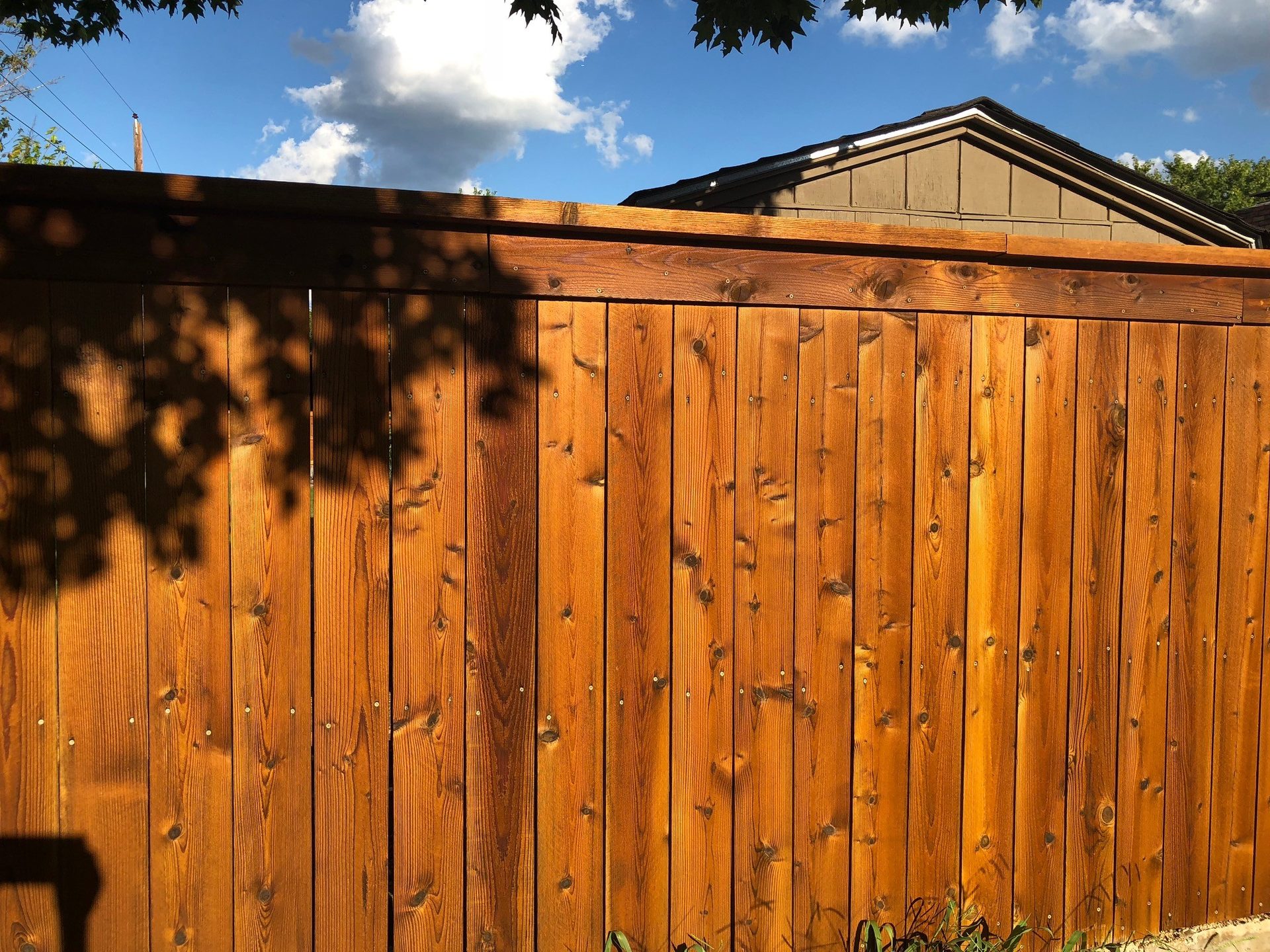
If you own property anywhere in the Dallas–Fort Worth Metroplex, your fence faces one of the toughest climate gauntlets in the country. Between the brutal 100°F+ summers, severe spring storms, expansive clay soils, and the occasional ice event, North Texas fences take more punishment per year than fences in most other regions. This guide is built on our hands-on experience maintaining, repairing, and replacing fences across Tarrant, Dallas, Denton, and Collin counties since 2018.
At Postmasters Fencing, we don't just install fences—we help homeowners protect their investment for the long haul. Whether you've got a brand-new cedar privacy fence or a 15-year-old board-on-board that's starting to lean, this guide will walk you through everything you need to know.
Why North Texas Is Uniquely Hard on Fences
Before diving into maintenance schedules, it helps to understand why fences in our area deteriorate faster than the national average. Three factors dominate:
1. Expansive Clay Soil
The DFW Metroplex sits on some of the most expansive clay soil in the United States. During wet periods, this clay swells significantly. During summer drought, it shrinks and cracks. This constant expansion-contraction cycle puts enormous lateral pressure on fence posts, causing them to shift, lean, and eventually fail. We see more fence posts pulled out of plumb by soil movement than by wind.
2. Extreme UV and Heat Exposure
North Texas routinely logs 30–50 days per year above 100°F, and UV exposure is intense from May through September. Untreated or poorly maintained wood fences experience accelerated drying, splitting, and graying. UV breaks down the lignin in wood fibers, and the heat drives out natural moisture, leaving boards brittle and prone to cracking.
3. Severe Storm Events
Spring storm season (March–June) brings straight-line winds that regularly exceed 60 mph, along with hail and heavy downpours. In a typical year, DFW experiences 5–8 significant severe weather events. A fence that's already compromised by soil movement or UV damage is far more likely to fail catastrophically during a storm. This is why proactive maintenance isn't optional here—it's critical.
The Postmasters Fencing Seasonal Maintenance Calendar
We recommend a four-season approach to fence maintenance. Each season presents different challenges and opportunities.
Spring (March–May): Inspection & Storm Prep
Spring is the most important maintenance window in North Texas. Before storm season hits full force:
- Walk the entire fence line. Check every post for lean, every rail for sag, and every board for damage. Push against each post—if it moves more than half an inch at the top, it needs attention.
- Inspect post bases. Look for soil separation around posts (a sign of clay soil shrinkage from the previous summer). If there's a gap, it means the post isn't fully supported and is vulnerable to wind.
- Tighten or replace hardware. Screws back out over time. Loose brackets and rails are the number-one cause of progressive fence failure during storms.
- Clear vegetation. Vines, shrubs, and tree branches pressing against the fence add wind load and trap moisture. Cut everything back at least 6 inches from the fence line.
- Check gates. Gate hardware takes more abuse than any other component. Hinges, latches, and strike plates should all be checked and lubricated.
Summer (June–August): Protection & Staining
Summer is staining and sealing season—but timing matters. The best window is typically late May through mid-July, before the most extreme heat sets in.
- Pressure wash before staining. Dirt, mildew, and algae build up over winter and spring. A proper pressure wash (1,500–2,000 PSI for cedar, lower for softer woods) removes contaminants and opens the wood grain for better stain absorption.
- Apply quality stain/sealant. We recommend semi-transparent, oil-based stains for North Texas cedar fences. They penetrate deeper than water-based alternatives and provide better UV protection. Plan for a full re-stain every 2–3 years, with touch-ups as needed.
- Water your foundation line. This isn't strictly "fence maintenance," but it's critical in DFW. Keeping consistent soil moisture along your fence line during summer drought prevents the clay soil movement that destroys posts. A soaker hose running 20 minutes twice a week can make a significant difference.
- Inspect for insect damage. Carpenter ants and termites are active in summer. Look for sawdust piles at post bases, small holes in boards, or hollow-sounding wood when tapped.
Fall (September–November): Repair & Reinforce
Fall is your last chance to address issues before winter. Temperatures are more moderate, making it ideal for repairs.
- Replace damaged boards. Any boards that cracked, warped, or came loose during summer storms should be replaced now. Don't wait—a missing board changes wind dynamics and can cause adjacent boards to fail.
- Address leaning posts. If posts shifted during the summer soil cycle, fall is the time to reset them. We use steel post reinforcement brackets and concrete piers for posts that have shifted due to clay soil—simply re-packing with concrete often isn't enough in DFW soil conditions.
- Clean and treat metal components. If you have iron, steel, or chain-link fencing, fall is the time to address any rust spots, repaint, and lubricate moving parts before winter moisture arrives.
- Trim trees. Dead branches that could fall on your fence during winter ice storms should be removed in fall. This is one of the most overlooked maintenance items we see.
Winter (December–February): Monitor & Plan
Winter is lighter on maintenance but important for monitoring.
- Check after ice events. North Texas gets 1–3 ice events per winter. Ice loading on fences (especially on cross-rails and gates) can cause structural damage. Walk your fence line after any ice storm.
- Watch for standing water. Winter rains combined with dormant vegetation can create drainage issues along fence lines. Standing water accelerates post rot and can undermine footings.
- Plan spring projects. If you know sections need replacement or you want to upgrade, winter is the time to plan and schedule. Our spring calendar fills up fast—homeowners who book in January or February get priority scheduling before storm season.
Wood Fence Staining: The DFW Deep Dive
Staining is the single most impactful maintenance action for wood fences in North Texas. Here's what we've learned from thousands of staining projects across the Metroplex.
When to Stain
New fences: Wait 3–6 months after installation before the first stain application. New cedar needs time to dry and "open up" so the stain can penetrate properly. Staining too early results in poor penetration and premature peeling.
Existing fences: Re-stain every 2–3 years, or when you notice the water-bead test failing. Splash water on the fence—if it soaks in immediately instead of beading, it's time to re-stain.
Choosing the Right Product
Not all stains perform equally in North Texas conditions. Here's what we recommend based on our experience:
- Semi-transparent oil-based stain is the gold standard for cedar fences in DFW. It penetrates deep, provides excellent UV protection, and allows the wood grain to show through. Brands we trust include Ready Seal and TWP (Total Wood Preservative).
- Avoid film-forming stains (solid color or latex-based) on fences. They sit on the surface and peel in our heat/UV conditions, creating a maintenance nightmare.
- Clear sealants are better than nothing but provide minimal UV protection. In our sun exposure, they typically need reapplication every 12–18 months.
The Staining Process
- Pressure wash the entire fence at 1,500–2,000 PSI. Use a 25° or 40° tip. Keep the nozzle 8–12 inches from the wood to avoid damage.
- Allow 48–72 hours of drying time. The wood should be dry to the touch but not bone-dry—slightly damp wood actually absorbs oil-based stain better.
- Apply stain with a pump sprayer and back-brush. Spraying alone doesn't work—you need to brush the stain into the wood grain for proper penetration. Work one section at a time, maintaining a wet edge to avoid lap marks.
- Apply two coats on horizontal surfaces (top rails, top of posts) where water sits. One coat is sufficient for vertical boards.
- Check the weather forecast. You need at least 48 hours of dry weather after application. Morning dew is fine, but rain within the first 24 hours can wash out fresh stain.
Post Repair and Replacement: DFW Edition
Post failure is the number-one structural issue we address in fence repairs across the Metroplex. Understanding why posts fail here—and how to fix them properly—saves homeowners thousands in the long run.
Why Posts Fail in DFW
In most of the country, fence posts fail because of rot at the ground line. In DFW, the primary failure mode is different: clay soil heave and lateral displacement. The post may be perfectly sound structurally, but the soil has pushed it 3–4 inches out of plumb over a few seasonal cycles.
The second most common failure is rot at the ground line, but it's accelerated here by our soil chemistry. DFW clay soil retains moisture against the post while also being mildly alkaline, which speeds up the decomposition of untreated wood.
Repair vs. Replace
Repair makes sense when the post is structurally sound but has shifted due to soil movement. We use steel post brackets (like E-Z Mender or similar commercial-grade systems) that bolt to the existing post and are driven into stable soil below the clay layer. This is faster and more cost-effective than full replacement.
Replace is necessary when the post has rotted at or below the ground line, has cracked, or has been compromised by insects. For replacements in DFW, we recommend:
- 4×6 posts minimum for privacy fences (not 4×4—they don't have enough mass to resist our soil pressures)
- Setting posts 30–36 inches deep in concrete (deeper than the typical 24-inch recommendation for milder climates)
- Using pressure-treated posts rated for ground contact (UC4A or UC4B rating)
- Sloping the concrete cap away from the post to direct water away from the wood-concrete interface
Storm Damage: What to Do After a North Texas Storm
When a spring storm knocks down sections of fence—and in DFW, it's a matter of when, not if—here's the action plan:
- Document everything. Photograph all damage before touching anything. Take wide shots showing the full scope and close-ups of specific damage points. This documentation is essential for insurance claims.
- Contact your insurance company. Most homeowner policies cover fence damage from wind and hail. File your claim promptly. We work directly with insurance adjusters regularly and can help with the claims process.
- Secure the area. If fence sections are down and you have pets or children, temporary measures (zip ties, ratchet straps to nearby trees, temporary wire panels) can secure the boundary until repairs happen.
- Don't rush permanent repairs. After major storms, some contractors appear offering quick fixes at premium prices. Our advice: unless there's an immediate safety concern, wait for your regular contractor. Quick-fix storm chasers often use inferior materials and shortcuts.
- Assess the full scope. Storm damage is often more extensive than it appears. A section that's still standing may have cracked posts or pulled fasteners that will fail in the next event. Have the entire fence inspected, not just the obviously damaged sections.
Common DFW Fence Maintenance Mistakes
After years of seeing what homeowners do (and don't do) across the Metroplex, here are the most common mistakes we encounter:
1. Ignoring Soil Moisture
The single biggest factor in fence longevity in DFW isn't the fence itself—it's the soil around the posts. Homeowners who maintain consistent soil moisture along their fence line see dramatically fewer post failures. This means watering the fence line during drought, not just the lawn.
2. Using the Wrong Stain
We regularly see fences that were stained with interior products, deck stains (which are formulated differently than fence stains), or solid-color latex stains that peel within a year in our conditions. Using the right product saves money over the life of the fence.
3. Delaying Post Repairs
A post that leans 2 inches today will lean 6 inches by next spring. The forces compound. Early intervention with a post bracket is a fraction of the cost of replacing the post and the panels it supports.
4. Skipping Post-Storm Inspections
"The fence is still standing, so it's fine." We hear this regularly—and then get the call two storms later when three sections are down. Storm damage is cumulative. Every event weakens connections that weren't fully compromised.
5. DIY Pressure Washing Mistakes
Too much pressure or too close a nozzle distance furrows the soft grain of cedar, creating a rough surface that holds moisture and accelerates deterioration. Pressure washing is effective and necessary, but technique matters.
When to Call a Professional
Not every fence maintenance task requires a pro. Homeowners can handle board replacement, basic cleaning, and stain application effectively. But some situations warrant professional attention:
- Multiple leaning posts: If more than 2–3 posts are out of plumb, the underlying issue is usually soil-related and needs a systematic approach.
- Gate problems: Gates that drag, won't latch, or have shifted significantly often indicate post movement that affects the entire gate section.
- Insurance claims: Professional documentation and repair estimates carry more weight with adjusters than DIY assessments.
- Full fence replacement: Material selection, engineering for local soil and wind conditions, and proper installation technique make a significant difference in how long your next fence lasts.
- Commercial properties: HOA common areas, apartment complexes, and commercial fencing have different code requirements and engineering standards than residential fences.
The Bottom Line
A well-maintained fence in North Texas should last 15–20 years for cedar and 25+ years for metal or composite materials. Without maintenance, those numbers drop to 8–12 years for cedar and significantly less if soil conditions are working against you.
The investment in regular maintenance—seasonal inspections, timely repairs, proper staining—pays for itself several times over compared to premature replacement. And it keeps your property looking sharp, secure, and valuable year-round.
Need Help With Your DFW Fence?
Whether you need a full inspection, storm damage repair, professional staining, or a complete fence replacement, Postmasters Fencing is here to help. We serve homeowners and businesses across 32 cities in Tarrant, Dallas, Denton, and Collin counties.
Call us at (817) 909-0953 or email [email protected] for a free consultation. You can also book an appointment online at your convenience.
Postmasters Fencing — We've Got You Surrounded.

